Table Of Content
The information is current and up-to-date in accordance with the latest veterinarian research. Cleaning the scabs is an important process that limits the possibility of infection—but it can still be uncomfortable for your pup. Here are some of our top tips to help reduce the stress around scab cleaning. 👉 If you think your pet may have an immune disorder, the best thing to do is to take them to the vet to be tested. 🐛 Please avoid touching ticks with your bare fingers, as zoonotic diseases (such as Lyme disease) can then be passed.
Dog Losing Hair in Patches and Scabs (Causes, Treatments)
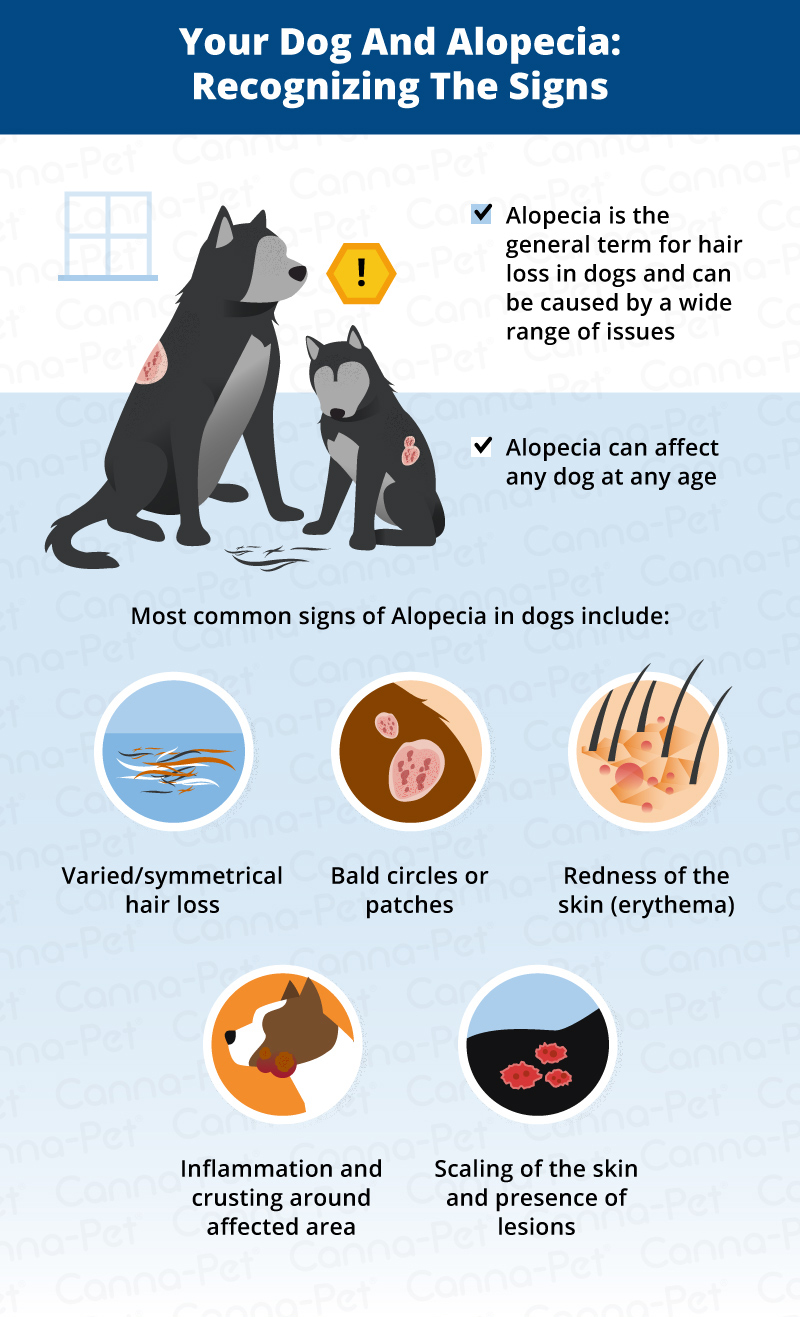
A dog can acquire alopecia from a parasitic infestation of fleas, lice, mosquitoes, or mange mites such as Demodex or Sarcoptes. Spider bites or insect stings can wreak havoc on the skin, too. Plus, an inadequate diet, food allergies, or an outdoor, dirty, hot, or moist environment responsible for a fungal or bacterial infection will cause ringworm or skin allergies. You will notice that a dog will lick and scratch incessantly to relieve the irritation.
Methods for Alleviating Allergies
This means that pyoderma is often a secondary infection to other skin problems in dogs that cause hair loss and sores. Nevertheless, once a dog has pyoderma, it can be tricky to treat. When dealing with scabs, we look at damage to the upper layer of skin (epidermis). This usually means pyoderma, a term for bacterial skin infections. Our article on black scabs in dogs discusses some of the different kinds of pyoderma.
Food Allergies
Keeping the scabbed area moist can prevent chipping and can allow the scab to fall off on its own. Depending on the size, you might also choose to cover it with gauze. 👉 Studies have found that 50% of fleas carry bacterial disease, and if that gets into an open wound on your pet it can cause a bacterial infection. However, your dog can expand scabs as a result of scratching his skin too frequently or parasites abode in his skin. Dogs with flea allergies can increase bumps, scabs, redness, itchiness, etc.
Your veterinarian will determine the best treatment for your pet. Ridding a dog of parasites is easier, as many preventive medicines are available. You should also reevaluate your dog’s current diet and switch to a well-balanced one or eliminating common food allergens will improve hair loss caused by an inadequate diet. Other hormonal issues such as diabetes and hypothyroidism often lead to dry skin, thinning, brittle fur, and some hair loss. Let’s dive into individual reasons and treatments for alopecia (hair loss) and lesions that cause crusting or scabs. Skin problems are also genetic, with studies showing that purebred dogs have far more genetic skin disorders than mixed breeds.
READ NEXT: The Best Dog Food for Sensitive Skin
When she's not working or caring for animals, she can be found enjoying the outdoors or reading a good book. Scabs are a normal part of the healing process, but there can be costs involved in treating them. Your dog may wear an E-collar or similar alternative to prevent licking the scabs.
Just chat with your vet about any concerns regarding hair loss, and keep an eye out for new symptoms so things don’t get worse. Flea preventatives are an important step in protecting your dog and your home from infestation. If you suspect your pooch has fleas, schedule an appointment with your veterinarian so they can prescribe medication to treat the itch and kill the fleas quickly. At-home remedies include coconut oil, apple cider vinegar, and a flea comb.
Clumps of Hair Falling Out in Dogs: Our Vet Explains
Angular Cheilitis: Causes, Treatment, Prevention Tips - Men's Health
Angular Cheilitis: Causes, Treatment, Prevention Tips.
Posted: Tue, 20 Feb 2024 08:00:00 GMT [source]
Depending on which parasite your dog is infested with, the doctor will advise you on proper treatment and prevention. Your veterinarian will likely recommend a combination of medicated shampoos, topical compounds, and oral treatments to help your dog recover from this demodectic mange. Ringworm is not caused by a worm but by fungi called dermatophytes. Dogs do not always develop the classic ring-shaped lesions seen in people, but they often lose hair.
Common dog food allergies
ASO: Gainesville man arrested, charged with aggravated animal cruelty against puppy - WCJB
ASO: Gainesville man arrested, charged with aggravated animal cruelty against puppy.
Posted: Mon, 05 Oct 2020 07:00:00 GMT [source]
Some dog owners are unfortunately familiar with the term “hot spot,” used to describe a skin condition called acute moist dermatitis or pyotraumatic dermatitis. Hot spots occur when a dog persistently scratches, licks, or chews at the skin on a particular part of their body. This self-trauma creates a wound, which often becomes infected. A diagnosis of mange can sometimes be made by finding the offending mites on skin scrapings, which are examined under a microscope. Your veterinarian may recommend treating your dog empirically and watching to see if their signs improve or resolve.
Always make sure your vet has ruled out other causes of hair loss. There are some "hairless" dogs like Chinese crested and Mexican hairless, but there are some dogs are more prone to baldness than others. Hair loss in dogs may also be caused by hyperadrenocorticism, or Cushing's disease, a condition caused by the overproduction of the hormone cortisol. Medication and sometimes surgery is available to treat Cushing’s disease, also known as Cushing's syndrome. Keep your dog inside in a cool area with plenty of fresh water. The area will be inflamed, may have matted hair over it or around it, and may have a purulent discharge and foul smell.
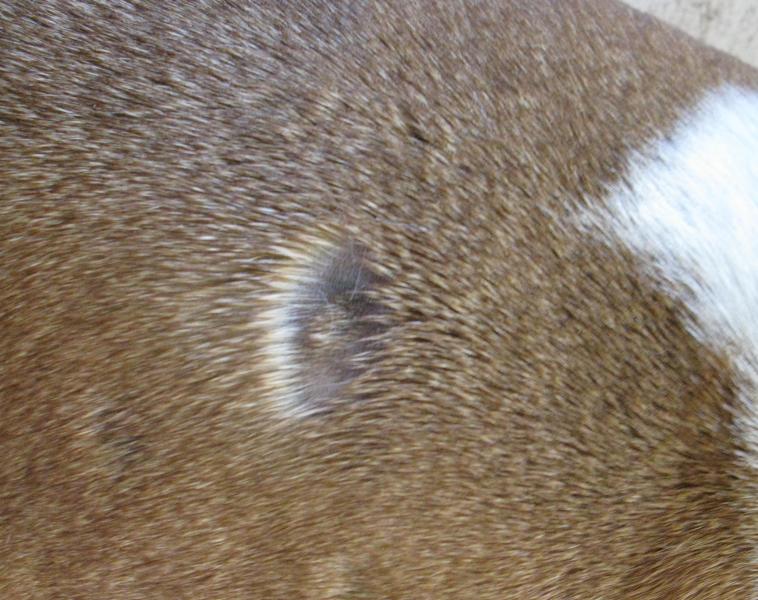
As a result, a hormonal imbalance can play havoc on your dog. Dogs with these conditions will often suffer from dry, scabby, and flakey skin or hair loss. CBD oil helps dog hair loss by reducing inflammation and itchiness, promoting skin health, and managing allergies and anxiety. Anti-flea treatments for dogs are readily available, over-the-counter or with a vet prescription, and come in many forms, from oral pills and chews to collars to spot-on liquids. Regular shedding is normal, but a dog bald spot or spots indicates a more severe problem and warrants veterinary attention.
This is due to allergens in the environment or a food allergy. Itchy skin is a common symptom and it’s the excessive scratching or licking which leads to dog hair falling out. Because dogs shed naturally, it can be difficult to gauge whether or not your dog’s hair loss is abnormal.
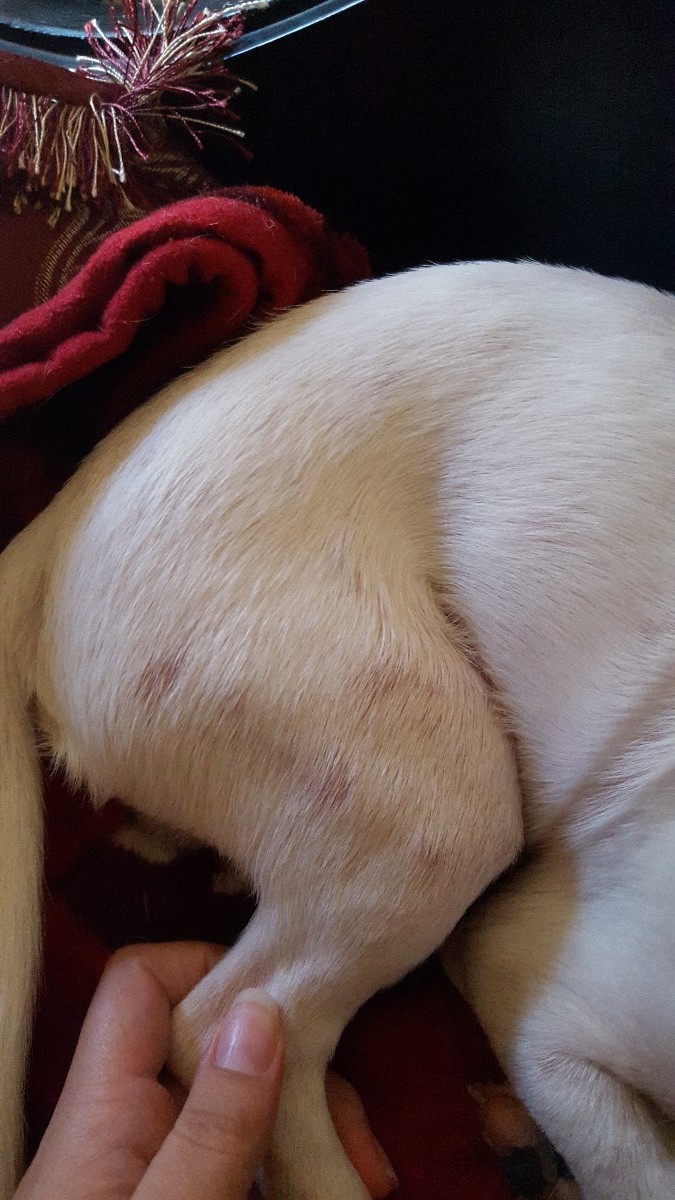
Mange does not require treatment when it is to a small degree. It will usually disappear on its own, doing so spontaneously. If it's caused by medication, they will slowly wean the dog off the medicine. It mainly affects middle-aged to older dogs rather than puppies or adolescent dogs. In sporadic cases, the dog may have scaling of the skin too. In this article, our veterinarians Dr. Jamie Whittenburg & Dr. Linda Simon explain the top causes (with pictures) and tips on what you can do next.
Your dog may need to wear a cone to discourage licking until the hot spot is fully healed. Many common prescription flea and tick medications also treat mange effectively and are generally very safe. Applying a skin balm or salve on your dog’s dry paws, cracked skin, or scabs can help reduce inflammation and soothe your dog’s need to bite or itch. Our favorite paw creams for dogs can soothe crusty scabs as well as elbow calluses.
Treatment consists of cleansing the hot spot and addressing the underlying condition. Endocrine diseases such as hypothyroidism (low thyroid hormone), Cushing’s disease (high cortisol), or reactions to rabies and corticosteroid injections can also cause alopecia. Additionally, an established yeast infection on the skin weakens the immune system and causes digestive issues, inflammation, and itching. There are many reasons why a dog develops this irritating skin condition, including heredity or hormonal issues. Usually, these cause the dog’s coat to thin out but don’t produce excessive itching and scratching.
Allergies to fleas, food proteins or environmental allergens (such as pollen) can lead to widespread skin inflammation. When the skin becomes inflamed and damaged, scabs often develop. Allergies also predispose dogs to develop skin infections, which also contribute to the formation of scabs. Black scabs on dogs can occur, but it’s important to ensure that you genuinely see a scab and not some other skin lesion. Dogs with fleas often have small black specks (called flea dirt) in their coat and skin; these black specks are not scabs but flea feces and flea eggs. Smooth black lesions on a dog’s skin are often caused by hyperpigmentation, a harmless darkening of the skin that can occur after chronic inflammation.


No comments:
Post a Comment